
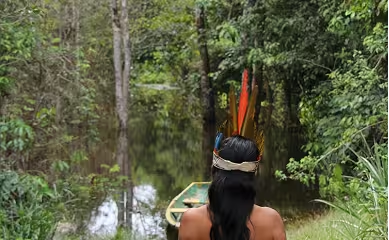
Key outcomes from the 3-day summit focused on traditional knowledge and conservation.
The Indigenous Youth Summit concluded after three days of dialogue, collaboration, and cultural exchange among young Indigenous leaders, environmental advocates, and community representatives. The gathering focused on strengthening the role of traditional knowledge in biodiversity conservation and empowering youth to take leadership in protecting their territories and ecosystems.
Throughout the summit, participants shared experiences from their communities and discussed how ancestral knowledge systems have helped Indigenous peoples manage forests, rivers, and wildlife sustainably for generations. Workshops and panel discussions explored themes such as community-led conservation, climate resilience, and the importance of intergenerational learning between youth and elders.
A key outcome of the summit was a collective call to recognize Indigenous knowledge as an essential pillar of global biodiversity strategies. Indigenous youth emphasized that traditional practices and cultural relationships with nature provide valuable guidance for sustainable land management and ecosystem protection.
Participants also highlighted the need for greater inclusion of Indigenous youth in national and international decision-making processes related to climate change and biodiversity. The summit concluded with a shared commitment to strengthen collaboration between communities, youth networks, and global institutions in order to protect cultural heritage and advance conservation efforts worldwide.